Publication
Australian legislative overview
Australia became a signatory to The Convention in March 1961.


Global | Publication | February 2020
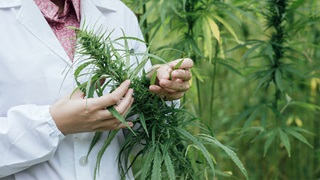
Cannabis has been considered an illegal substance globally since the creation of the Single Convention on Narcotic Drugs (The Convention) in 1961. The Convention is an international treaty which outlines the prohibition of certain drugs and is in place to prevent their production and supply, unless they are being produced for scientific or certain medicinal purposes. This was an attempt by the UN to try and reduce the supply of drugs entering through illegal channels and being sold on the black market. Under The Convention, cannabis had the same restrictions placed upon its cultivation and distribution as opioids.
All the countries we will provide an overview on are signatories to The Convention and in total there are 186 parties involved in the treaty1. Over the past two decades, many of the positive effects of, or more specifically, certain types of cannabis, have come to light. Many countries across the globe are now taking steps to open up legal avenues for the production, sale and consumption of cannabis, reflecting scientific research which shows that it has the ability to help people with a wide range of medical issues from Cancer to Alzheimer’s and sociological evidence showing that the criminalization of cannabis is of questionable benefit. With the evidence in favor of legalization seemingly mounting, cannabis is expected to be an industry worth USD$66.3 billion globally by the end of 2025.2
In this piece we explore the current regulatory regimes enforced in a selection of jurisdictions and take a look at what the future holds for the development of these regulatory regimes worldwide.
Publication
Australia became a signatory to The Convention in March 1961.
Publication
Canada has had several medical-use cannabis regimes since 2001 with the introduction of the Medical Marihuana Access Regulations.

Publication
Legalization of cannabis is a recurrent topic in France, which has reached a new milestone under the pressure of the changes underway in other European countries.
Publication
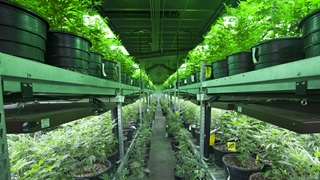
As demand for cannabis products continues to skyrocket, the cannabis industry worldwide has developed into a unique market that is independent, with controversial reputation and shifting legalities.

Publication
The Netherlands has been known for its distinctively tolerant policy on drugs.
Publication
The UK Budget provides the Chancellor with an annual opportunity to announce new tax measures, and this year it was delivered against an unprecedented backdrop of intense speculation.
Publication
21 airlines (the Airlines) have committed to change their practices on environmental claims and statements that were considered misleading by the Consumer Protection Cooperation (CPC).
Publication
For the sustainable aviation fuel (SAF) industry, the key initiative to emerge from COP30 was the “Belém 4x Pledge”, spearheaded by Italy, Japan, India and Brazil and supported by 23 other countries, to quadruple sustainable fuel production and use by 2035. The pledge focused on the need to take comprehensive domestic action to support sustainable fuel development and strengthen international collaboration, whilst ensuring that efforts to scale-up production are conducted in an environmentally and socially responsible manner.
Subscribe and stay up to date with the latest legal news, information and events . . .
© Norton Rose Fulbright LLP 2025